Thinkers and political figures
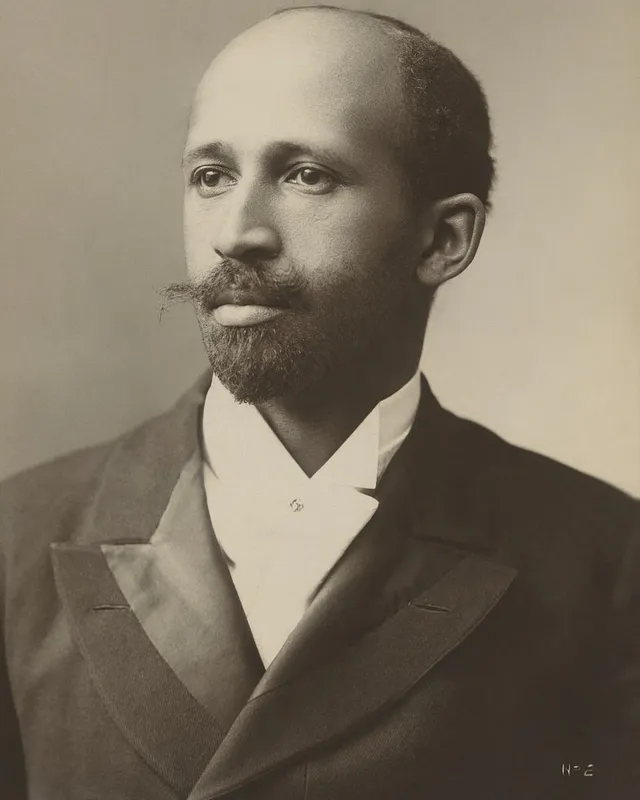
Portrait: James E. Purdy, 1907, via Wikimedia Commons (opens in a new tab) · Public domain
W. E. B. Du Bois
- Country
- United States
- Era
- 1868–1963
- Tradition
- Civil rights, Pan-Africanism, socialism
First African American to earn a Harvard doctorate, founder of the NAACP, and the sharpest opponent of Booker T. Washington’s accommodation — who moved steadily leftward and died a citizen of Ghana.
01
Documented positions
Documented positions come from the sources listed. Similarity is this project’s inference from those positions, and is a much weaker claim.
- Rejected Booker T. Washington’s accommodation, demanding immediate civil rights, the vote and higher education for Black Americans
- Founded the NAACP and edited The Crisis, using litigation and publicity rather than gradual self-improvement
- Organised the Pan-African Congresses, linking American racial politics to African decolonisation
- Argued in Black Reconstruction that emancipated slaves were the agents of Reconstruction, against the prevailing historiography
- Moved to explicit socialism and later joined the Communist Party, arguing capitalism and racial subordination were entangled
- Held that the problem of the twentieth century is the problem of the colour line
02
Where it sits on each dimension
Wealth and inequality
12
RedistributionMarket outcomes
Evidence: Well documented
The state in the economy
18
Active stateLimited state
Evidence: Documented
Personal liberty
62
Collective orderIndividual freedom
Evidence: Documented
Tradition and change
96
ContinuityReform
Evidence: Well documented
Nation and the world
25
InternationalistNationalist
Evidence: Well documented
Power and its limits
62
Concentrated authorityChecks and pluralism
Evidence: Documented
Dimensions left unscored, for want of evidence: Religion and the state, Environment and growth, Crime and punishment
Sources
- W. E. B. Du Bois, The Souls of Black Folk · 1903
- W. E. B. Du Bois, Black Reconstruction in America · 1935
Last verified: