Thinkers and political figures
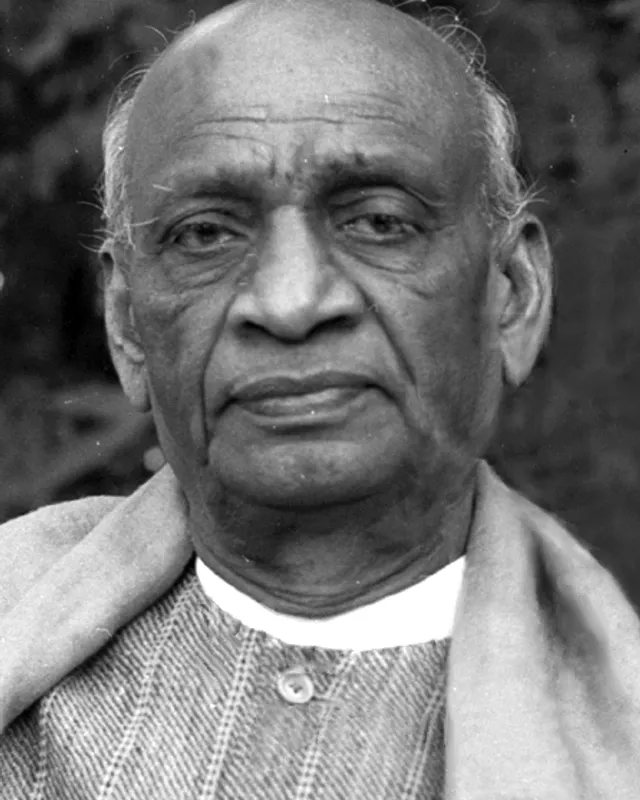
Portrait: Via Wikimedia Commons (opens in a new tab) · Public domain
Vallabhbhai Patel
- Country
- India
- Era
- 1875–1950
- Tradition
- Conservative nationalism within Congress
India’s first Deputy Prime Minister and Home Minister, who integrated over five hundred princely states into the union and built the national administrative services.
01
Documented positions
Documented positions come from the sources listed. Similarity is this project’s inference from those positions, and is a much weaker claim.
- Integration of the princely states into India between 1947 and 1949, by negotiation and, in Hyderabad, by force
- Creation of the All India Services as a permanent, politically neutral administration
- Led the Bardoli satyagraha of 1928, a mass tax-refusal campaign
- Argued for a strong central government against looser federal proposals
- More sympathetic to business and property than the Congress left, and sceptical of central planning
02
Where it sits on each dimension
Wealth and inequality
56
RedistributionMarket outcomes
Evidence: Documented
The state in the economy
54
Active stateLimited state
Evidence: Documented
Tradition and change
46
ContinuityReform
Evidence: Documented
Nation and the world
82
InternationalistNationalist
Evidence: Well documented
Power and its limits
56
Concentrated authorityChecks and pluralism
Evidence: Documented
Dimensions left unscored, for want of evidence: Environment and growth, Crime and punishment, Religion and the state, Personal liberty
Sources
- Constituent Assembly Debates · Constituent Assembly of India · 1946–1949
- V. P. Menon, The Story of the Integration of the Indian States · 1956
Last verified: