Thinkers and political figures
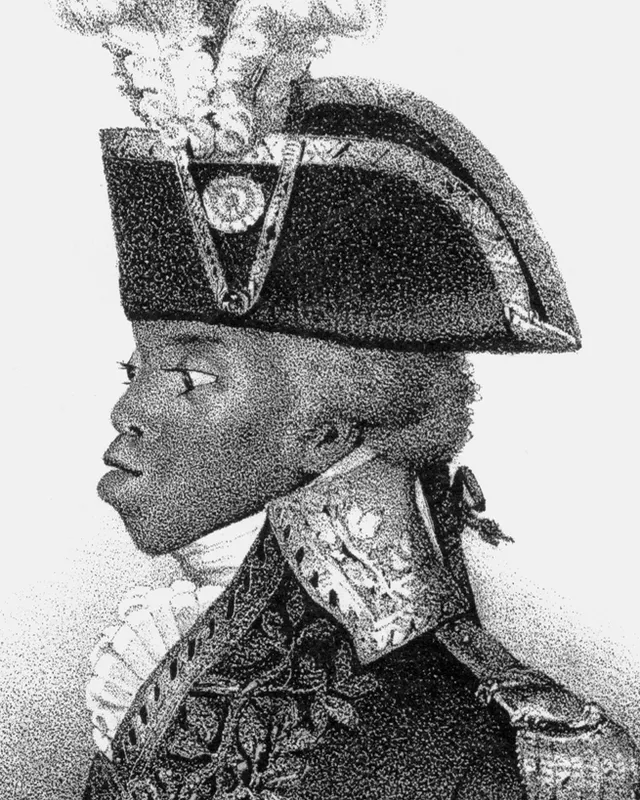
Portrait: Lithograph after Delpech, via Wikimedia Commons (opens in a new tab) · Public domain
Toussaint Louverture
- Country
- Saint-Domingue (Haiti)
- Era
- 1743–1803
- Tradition
- Abolitionist revolution
Led the only successful large-scale slave revolt in history, turning a French colony into a self-governing state where slavery was abolished — the first time a European power was defeated by the people it had enslaved.
01
Documented positions
Documented positions come from the sources listed. Similarity is this project’s inference from those positions, and is a much weaker claim.
- Permanent and universal abolition of slavery in Saint-Domingue, entrenched in the 1801 constitution
- Autonomy under nominal French sovereignty, with himself as governor for life
- Retained the plantation economy under paid labour to keep exports and revenue alive
- Guaranteed civil equality regardless of colour in the 1801 constitution
- Ruled through a strong personal executive with limited scope for opposition
02
Where it sits on each dimension
Wealth and inequality
42
RedistributionMarket outcomes
Evidence: Documented
Personal liberty
52
Collective orderIndividual freedom
Evidence: Documented
Tradition and change
90
ContinuityReform
Evidence: Well documented
Nation and the world
78
InternationalistNationalist
Evidence: Well documented
Power and its limits
28
Concentrated authorityChecks and pluralism
Evidence: Documented
Dimensions left unscored, for want of evidence: The state in the economy, Environment and growth, Crime and punishment, Religion and the state
Sources
- Constitution of Saint-Domingue · 1801
- C. L. R. James, The Black Jacobins · 1938
Last verified: