Thinkers and political figures
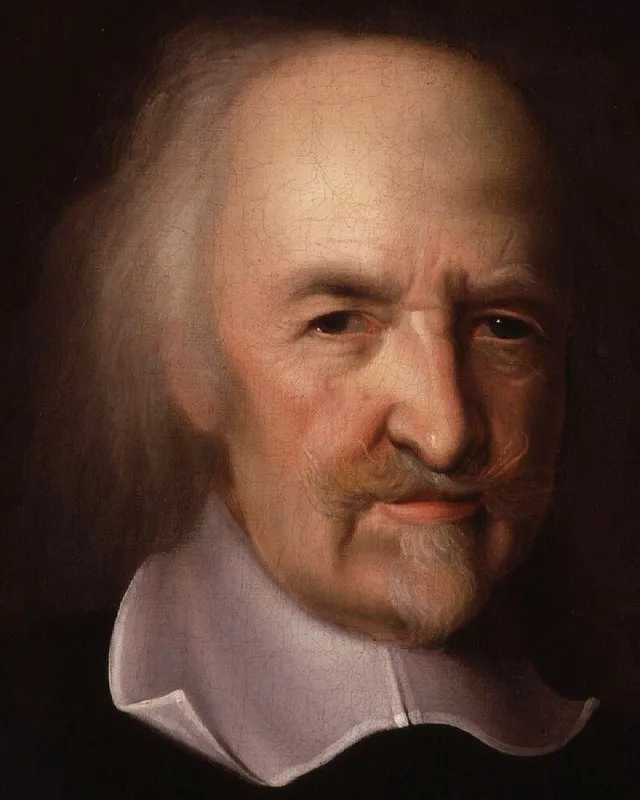
Portrait: John Michael Wright, via Wikimedia Commons (opens in a new tab) · Public domain
Thomas Hobbes
- Country
- England
- Era
- 1588–1679
- Tradition
- Absolutism, social contract
Argued that without a common power to keep everyone in awe, life is a war of all against all — and that subjects should therefore submit to an undivided sovereign.
01
Documented positions
Documented positions come from the sources listed. Similarity is this project’s inference from those positions, and is a much weaker claim.
- Life without government is "solitary, poor, nasty, brutish, and short" (Leviathan, ch. XIII)
- Sovereignty must be undivided and unlimited to be effective
- Political authority derives from a covenant among subjects, not from divine right
- Subjects retain a right of self-preservation the sovereign cannot override
- The sovereign determines public religion in order to prevent sectarian conflict
02
Where it sits on each dimension
Personal liberty
12
Collective orderIndividual freedom
Evidence: Well documented
Religion and the state
55
Secular stateReligion in public life
Evidence: Documented
Power and its limits
6
Concentrated authorityChecks and pluralism
Evidence: Well documented
Crime and punishment
18
PunishmentRehabilitation
Evidence: Documented
Dimensions left unscored, for want of evidence: Wealth and inequality, The state in the economy, Tradition and change, Nation and the world, Environment and growth
Sources
- Thomas Hobbes, Leviathan · 1651
- Thomas Hobbes, De Cive · 1642
Last verified: