Thinkers and political figures
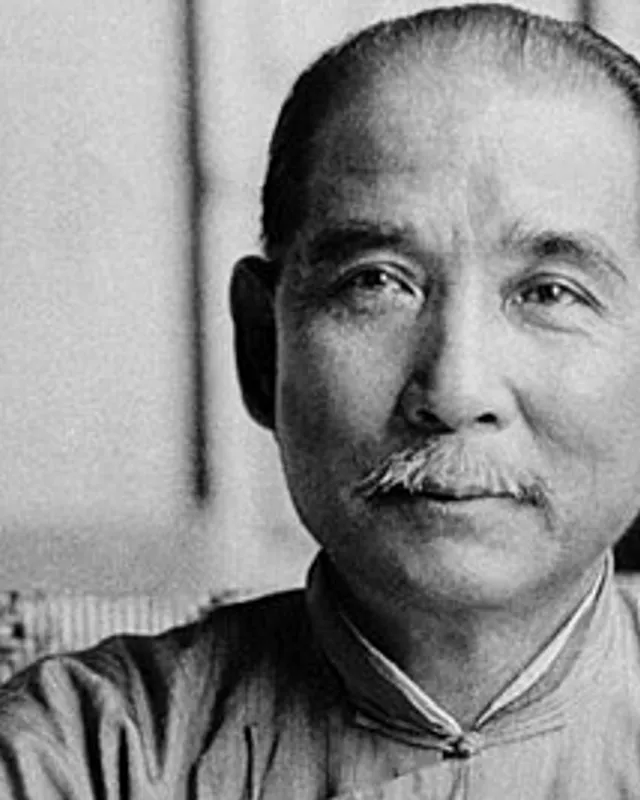
Portrait: Via Wikimedia Commons (opens in a new tab) · Public domain
Sun Yat-sen
- Country
- China
- Era
- 1866–1925
- Tradition
- Republican nationalism
Led the revolution that ended two thousand years of imperial rule in China, and set out the Three Principles of the People — nationalism, democracy and popular livelihood — claimed since by both of China’s rival states.
01
Documented positions
Documented positions come from the sources listed. Similarity is this project’s inference from those positions, and is a much weaker claim.
- The Three Principles of the People: nationalism, democracy and the people’s livelihood
- Land value taxation and public ownership of natural monopolies under "people’s livelihood"
- A five-branch constitution adding examination and control branches to the classic three
- A transitional period of party tutelage before full constitutional democracy
- Ending Manchu rule and later resisting foreign concessions and warlord fragmentation
02
Where it sits on each dimension
Wealth and inequality
34
RedistributionMarket outcomes
Evidence: Documented
The state in the economy
34
Active stateLimited state
Evidence: Documented
Tradition and change
70
ContinuityReform
Evidence: Documented
Nation and the world
82
InternationalistNationalist
Evidence: Well documented
Power and its limits
52
Concentrated authorityChecks and pluralism
Evidence: Documented
Dimensions left unscored, for want of evidence: Environment and growth, Crime and punishment, Religion and the state, Personal liberty
Sources
- Sun Yat-sen, The Three Principles of the People · 1924
- Marie-Claire Bergère, Sun Yat-sen · 1998
Last verified: