Thinkers and political figures
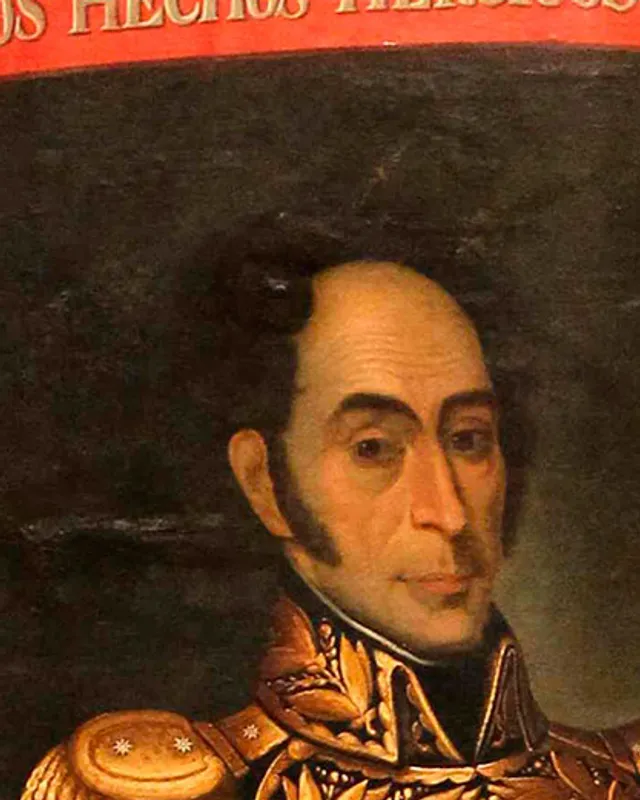
Portrait: José Gil de Castro, via Wikimedia Commons (opens in a new tab) · Public domain
Simón Bolívar
- Country
- Venezuela and Gran Colombia
- Era
- 1783–1830
- Tradition
- Republican nationalism
Led the independence of six South American countries from Spain, and concluded late in life that the republics he founded needed stronger executives than he had first believed.
01
Documented positions
Documented positions come from the sources listed. Similarity is this project’s inference from those positions, and is a much weaker claim.
- Independence from Spain for all of Spanish America, and a federation of the new republics
- Abolition of slavery, decreed in the territories he liberated
- Argued the new republics needed a strong executive and a life-term presidency (Angostura Address, 1819)
- Warned that the region’s inequality and inexperience made pure democracy unworkable there
- "I have ploughed the sea" — his own late judgement on the failure of Gran Colombia
02
Where it sits on each dimension
Personal liberty
48
Collective orderIndividual freedom
Evidence: Documented
Tradition and change
68
ContinuityReform
Evidence: Well documented
Nation and the world
82
InternationalistNationalist
Evidence: Well documented
Power and its limits
34
Concentrated authorityChecks and pluralism
Evidence: Well documented
Dimensions left unscored, for want of evidence: Wealth and inequality, The state in the economy, Environment and growth, Crime and punishment, Religion and the state
Sources
- Simón Bolívar, Address to the Congress of Angostura · 1819
- Simón Bolívar, The Jamaica Letter · 1815
Last verified: