Thinkers and political figures
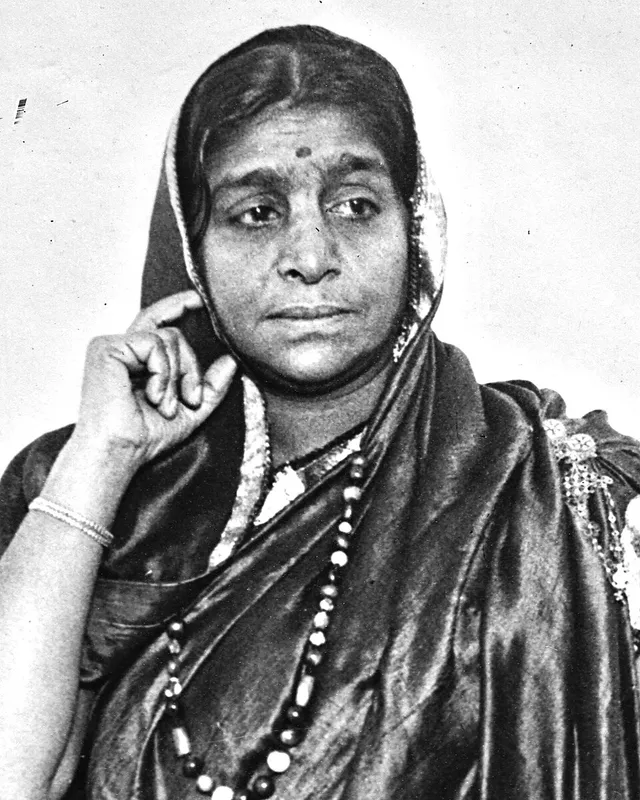
Portrait: Photograph, 1928, via Wikimedia Commons (opens in a new tab) · Public domain
Sarojini Naidu
- Country
- India
- Era
- 1879–1949
- Tradition
- Congress nationalism, women’s suffrage
Poet who became the first Indian woman to preside over the Congress and the first to govern an Indian state, and who led the Dharasana salt raid after Gandhi’s arrest.
01
Documented positions
Documented positions come from the sources listed. Similarity is this project’s inference from those positions, and is a much weaker claim.
- Campaigned for women’s suffrage in India from 1917, leading deputations to the British government
- Presided over the Indian National Congress in 1925, the first Indian woman to do so
- Led the non-violent raid on the Dharasana salt works in 1930 after Gandhi’s arrest, and was imprisoned
- Founded the Women’s Indian Association to press for education, suffrage and legal reform
- Advocated Hindu–Muslim unity throughout, and opposed communal separation of electorates
- Served as Governor of the United Provinces after independence
02
Where it sits on each dimension
Personal liberty
72
Collective orderIndividual freedom
Evidence: Documented
Tradition and change
88
ContinuityReform
Evidence: Well documented
Nation and the world
62
InternationalistNationalist
Evidence: Well documented
Religion and the state
30
Secular stateReligion in public life
Evidence: Documented
Power and its limits
78
Concentrated authorityChecks and pluralism
Evidence: Documented
Dimensions left unscored, for want of evidence: Wealth and inequality, The state in the economy, Environment and growth, Crime and punishment
Sources
- Sarojini Naidu, Speeches and Writings of Sarojini Naidu · 1925
- Tara Ali Baig, Sarojini Naidu · Publications Division · 1974
Last verified: