Thinkers and political figures
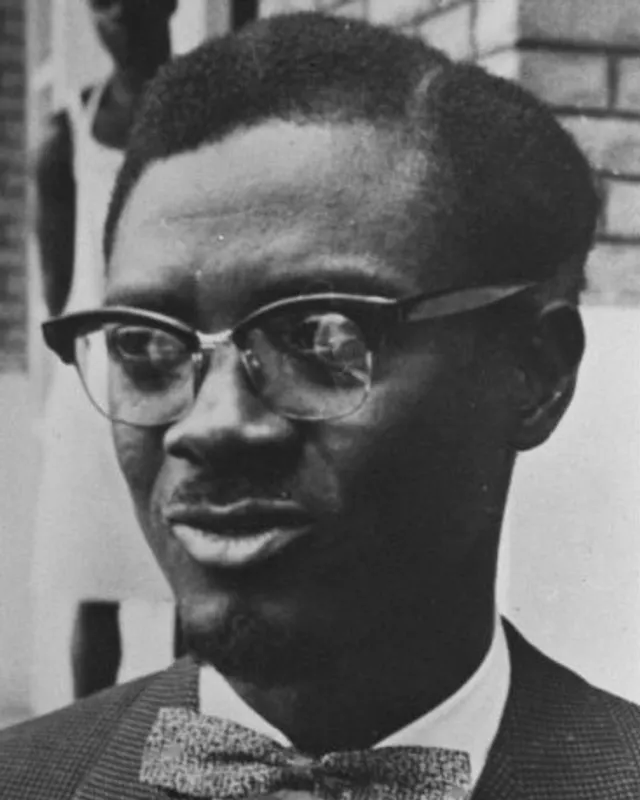
Portrait: Photograph, 1960, via Wikimedia Commons (opens in a new tab) · CC0
Patrice Lumumba
- Country
- Democratic Republic of the Congo
- Era
- 1925–1961
- Tradition
- Pan-Africanism, anti-colonial nationalism
First prime minister of the independent Congo, in office for ten weeks before being deposed and then killed with Belgian and American involvement — the defining episode of Cold War intervention in Africa.
01
Documented positions
Documented positions come from the sources listed. Similarity is this project’s inference from those positions, and is a much weaker claim.
- Demanded immediate and complete independence rather than the phased transition Belgium proposed
- Denounced colonial rule directly in the presence of the Belgian king at the independence ceremony
- Insisted on a unitary Congolese state against Belgian-backed secession in mineral-rich Katanga
- Requested Soviet assistance after the United Nations declined to help suppress the secession
- Advocated pan-African unity and economic control of Congolese resources by Congolese institutions
- Was deposed in a coup, handed to Katangan authorities and killed in January 1961
02
Where it sits on each dimension
Wealth and inequality
20
RedistributionMarket outcomes
Evidence: Documented
Tradition and change
70
ContinuityReform
Evidence: Documented
Nation and the world
82
InternationalistNationalist
Evidence: Well documented
Dimensions left unscored, for want of evidence: The state in the economy, Personal liberty, Religion and the state, Power and its limits, Environment and growth, Crime and punishment
Sources
- Patrice Lumumba, Independence Day Speech · 1960
- Ludo De Witte, The Assassination of Lumumba · Verso · 2001
Last verified: