Thinkers and political figures
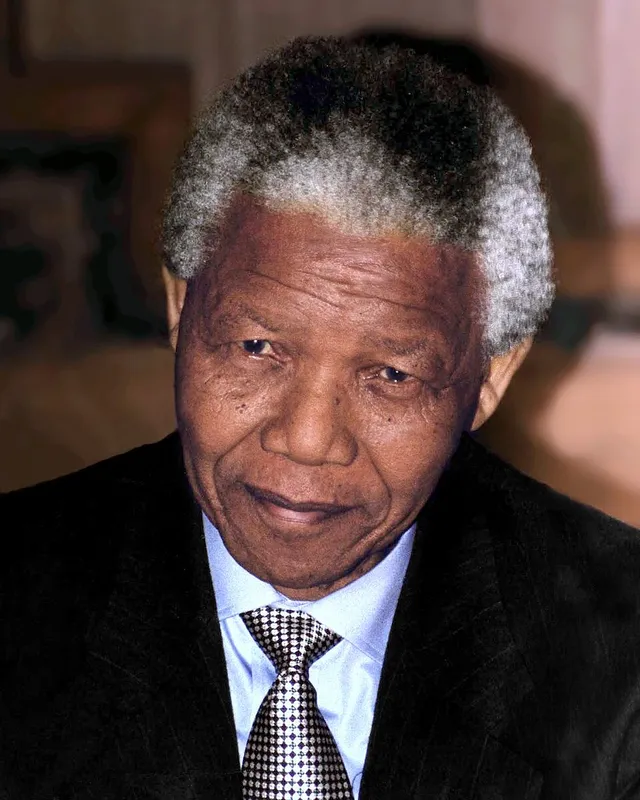
Portrait: John Mathew Smith, via Wikimedia Commons (opens in a new tab) · Creative Commons Attribution-ShareAlike 2.0
Nelson Mandela
- Country
- South Africa
- Era
- 1918–2013
- Tradition
- Social democracy, civic nationalism
Imprisoned for twenty-seven years, then negotiated the end of apartheid and led a constitutional democracy built on reconciliation rather than retribution, and served a single term.
01
Documented positions
Documented positions come from the sources listed. Similarity is this project’s inference from those positions, and is a much weaker claim.
- A non-racial, democratic South Africa with equal citizenship (Rivonia Trial statement, 1964)
- Negotiated transition and a constitution with strong justiciable rights
- Established the Truth and Reconciliation Commission in place of prosecutions
- Stepped down voluntarily after one term as President
- Supported redistribution and public provision, while accepting a market economy in office
02
Where it sits on each dimension
Wealth and inequality
26
RedistributionMarket outcomes
Evidence: Documented
The state in the economy
34
Active stateLimited state
Evidence: Documented
Personal liberty
82
Collective orderIndividual freedom
Evidence: Well documented
Tradition and change
86
ContinuityReform
Evidence: Well documented
Nation and the world
40
InternationalistNationalist
Evidence: Well documented
Religion and the state
30
Secular stateReligion in public life
Evidence: Documented
Power and its limits
92
Concentrated authorityChecks and pluralism
Evidence: Well documented
Crime and punishment
90
PunishmentRehabilitation
Evidence: Well documented
Dimensions left unscored, for want of evidence: Environment and growth
Sources
- Nelson Mandela, Statement from the Dock, Rivonia Trial · 1964
- Constitution of the Republic of South Africa · 1996
- Truth and Reconciliation Commission Final Report · 1998
Last verified: