Thinkers and political figures
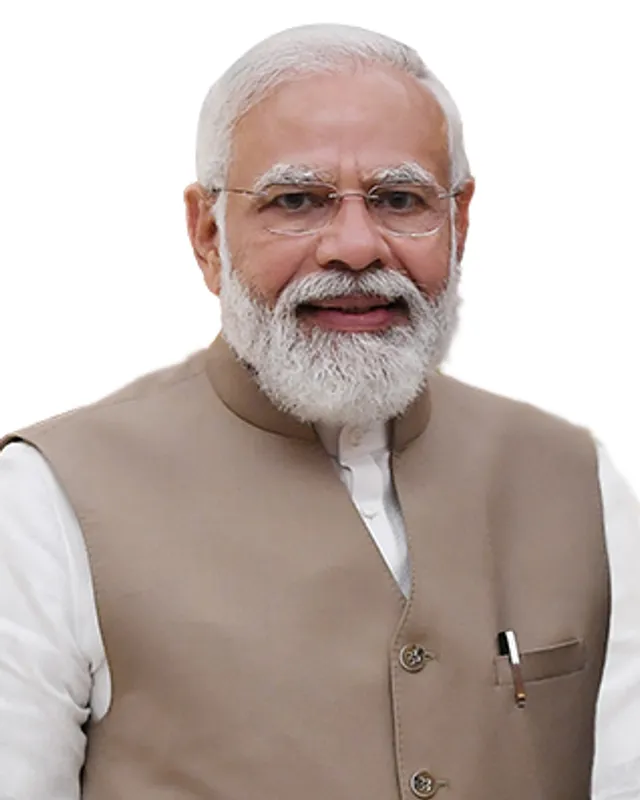
Portrait: Prime Minister’s Office, Government of India, via Wikimedia Commons (opens in a new tab) · Government Open Data License – India
Narendra Modi
- Country
- India
- Era
- b. 1950
- Tradition
- National conservatism
Prime Minister of India since 2014, who has combined large-scale welfare delivery and infrastructure investment with market-oriented reform, a centralising approach to executive power, and cultural nationalism.
Documented positions
Documented positions come from the sources listed. Similarity is this project’s inference from those positions, and is a much weaker claim.
- Direct benefit transfers and targeted welfare at scale: housing, cooking gas, sanitation and bank accounts
- Goods and Services Tax (2017), replacing a fragmented set of state and central indirect taxes
- Abrogation of Article 370 in 2019, ending Jammu and Kashmir’s special constitutional status
- Citizenship (Amendment) Act, 2019, creating a religion-linked route to citizenship for some migrants
- "Atmanirbhar Bharat": self-reliance in manufacturing and defence procurement
Where it sits on each dimension
Wealth and inequality
Evidence: Well documented
The state in the economy
Evidence: Well documented
Personal liberty
Evidence: Documented
Tradition and change
Evidence: Documented
Nation and the world
Evidence: Well documented
Religion and the state
Evidence: Documented
Power and its limits
Evidence: Documented
Environment and growth
Evidence: Documented
Dimensions left unscored, for want of evidence: Crime and punishment
Sources
- Sankalp Patra: Lok Sabha Election Manifesto 2024 · Bharatiya Janata Party · 2024
- Jammu and Kashmir Reorganisation Act · Parliament of India · 2019
- V-Dem Democracy Report, India country profile · V-Dem Institute, University of Gothenburg · 2024 Source (opens in a new tab)
Source for the position on the democratic-checks axis.
Last verified: