Thinkers and political figures
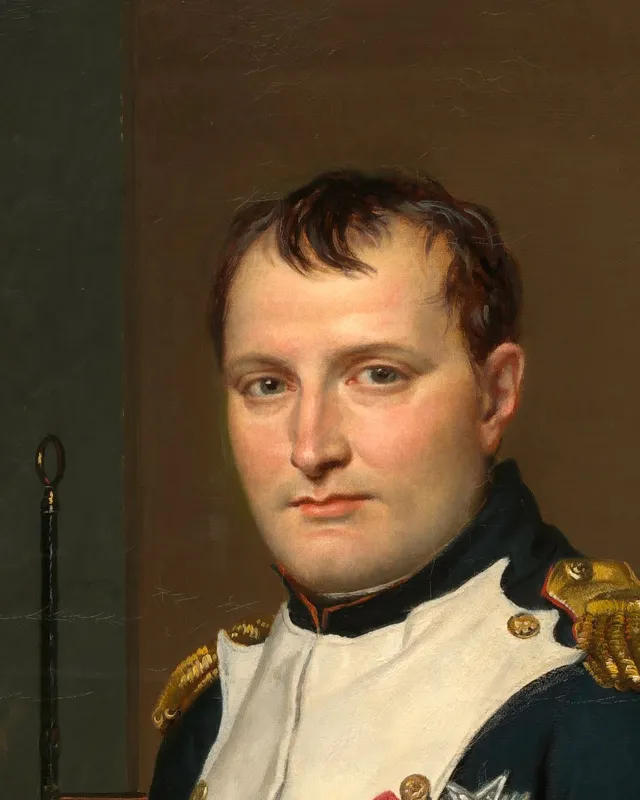
Portrait: Jacques-Louis David, via Wikimedia Commons (opens in a new tab) · Public domain
Napoleon Bonaparte
- Country
- France
- Era
- 1769–1821
- Tradition
- Bonapartism, enlightened autocracy
General who ended the French Revolution by taking power himself, then exported its legal and administrative reforms across Europe at the point of a bayonet — the Civil Code he imposed still underlies the law of much of the world.
Documented positions
Documented positions come from the sources listed. Similarity is this project’s inference from those positions, and is a much weaker claim.
- Promulgated the Civil Code, establishing legal equality, secular civil status, property rights and freedom of contract
- Abolished feudal privileges and serfdom in the territories he conquered
- Created a centralised administrative state of prefects, lycées and the Bank of France
- Ended the revolution’s conflict with the Catholic Church through the Concordat while keeping the state supreme over it
- Restored slavery in the French colonies in 1802 after its abolition by the Convention
- Ruled as a hereditary emperor with a controlled press, secret police and plebiscites rather than genuine elections
- Placed women under permanent legal guardianship in the Civil Code, reversing revolutionary gains
Where it sits on each dimension
Wealth and inequality
Evidence: Documented
The state in the economy
Evidence: Well documented
Personal liberty
Evidence: Well documented
Tradition and change
Evidence: Documented
Nation and the world
Evidence: Well documented
Religion and the state
Evidence: Well documented
Power and its limits
Evidence: Well documented
Crime and punishment
Evidence: Documented
Dimensions left unscored, for want of evidence: Environment and growth
Sources
- French Republic, Code civil des Français · 1804
- Andrew Roberts, Napoleon: A Life · Viking · 2014
Last verified: