Thinkers and political figures
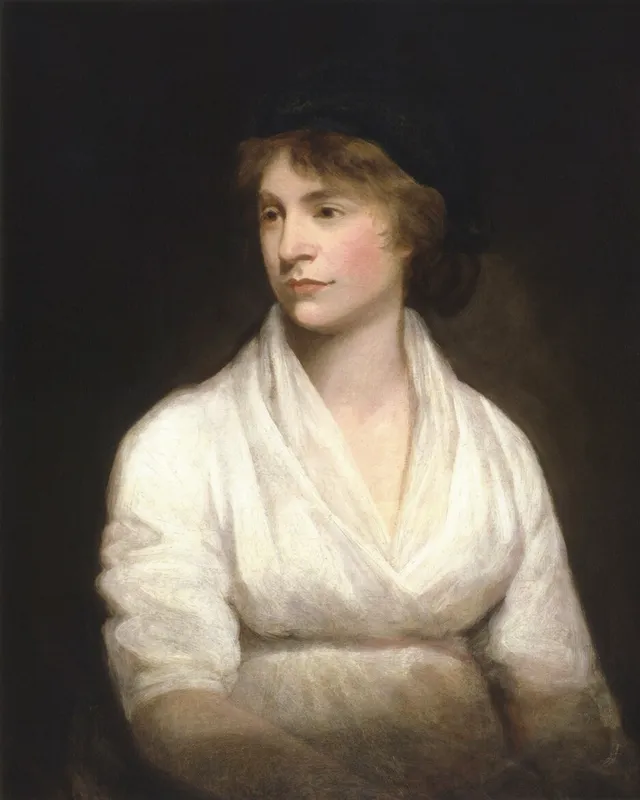
Portrait: John Opie, c. 1797, via Wikimedia Commons (opens in a new tab) · Public domain
Mary Wollstonecraft
- Country
- England
- Era
- 1759–1797
- Tradition
- Liberal feminism, radical republicanism
Argued that women appear inferior only because they are denied education, and that a republic which excludes half its people from reason and citizenship is not a republic at all.
01
Documented positions
Documented positions come from the sources listed. Similarity is this project’s inference from those positions, and is a much weaker claim.
- Women’s apparent weakness is the product of upbringing and denied education, not nature (A Vindication of the Rights of Woman, 1792)
- Demanded equal education and civil standing for women, including property and legal personhood
- Defended the French Revolution against Burke’s Reflections
- Criticised inherited rank and property as corrupting to public virtue
- Argued marriage should be a partnership of equals rather than a property relation
02
Where it sits on each dimension
Wealth and inequality
38
RedistributionMarket outcomes
Evidence: Documented
Personal liberty
78
Collective orderIndividual freedom
Evidence: Well documented
Tradition and change
94
ContinuityReform
Evidence: Well documented
Religion and the state
40
Secular stateReligion in public life
Evidence: Thinly documented
Power and its limits
76
Concentrated authorityChecks and pluralism
Evidence: Well documented
Dimensions left unscored, for want of evidence: Environment and growth, Crime and punishment, Nation and the world, The state in the economy
Sources
- Mary Wollstonecraft, A Vindication of the Rights of Woman · 1792
- Mary Wollstonecraft, A Vindication of the Rights of Men · 1790
Last verified: