Thinkers and political figures
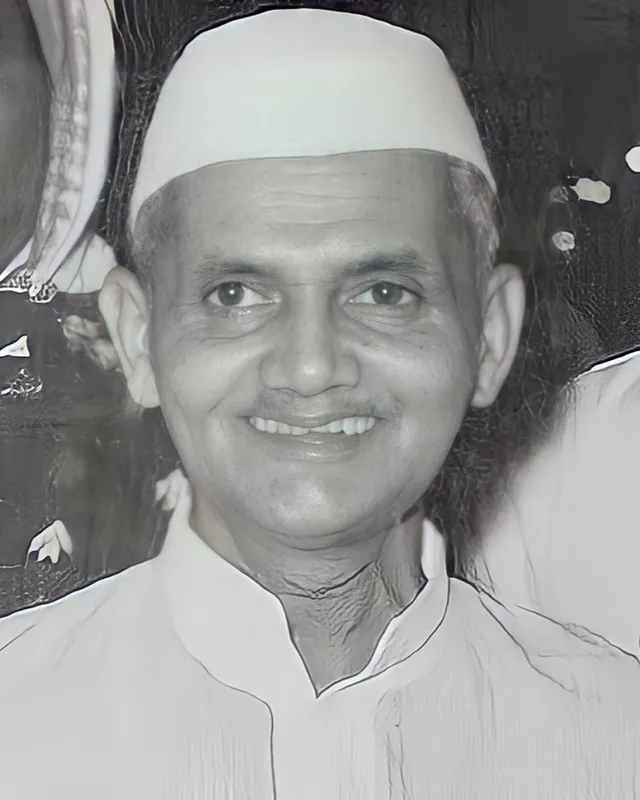
Portrait: Photograph, via Wikimedia Commons (opens in a new tab) · Creative Commons Attribution-ShareAlike 3.0
Lal Bahadur Shastri
- Country
- India
- Era
- 1904–1966
- Tradition
- Gandhian socialism
Nehru’s successor, who led India through the 1965 war with Pakistan and launched the Green Revolution and White Revolution before dying in Tashkent after nineteen months in office.
01
Documented positions
Documented positions come from the sources listed. Similarity is this project’s inference from those positions, and is a much weaker claim.
- Launched the Green Revolution in agriculture, backing high-yield seed varieties and guaranteed procurement prices
- Backed the White Revolution in milk production through the National Dairy Development Board
- Directed the Indian response in the 1965 war with Pakistan and signed the Tashkent Declaration
- Coined "Jai Jawan Jai Kisan", tying national defence to agricultural self-sufficiency
- Continued Nehru’s public-sector industrial planning while giving agriculture greater priority within it
- Resigned as railways minister in 1956 over a rail disaster, treating ministerial responsibility as personal
02
Where it sits on each dimension
Wealth and inequality
30
RedistributionMarket outcomes
Evidence: Documented
The state in the economy
28
Active stateLimited state
Evidence: Well documented
Personal liberty
66
Collective orderIndividual freedom
Evidence: Documented
Tradition and change
62
ContinuityReform
Evidence: Documented
Nation and the world
62
InternationalistNationalist
Evidence: Well documented
Religion and the state
32
Secular stateReligion in public life
Evidence: Documented
Power and its limits
80
Concentrated authorityChecks and pluralism
Evidence: Well documented
Dimensions left unscored, for want of evidence: Environment and growth, Crime and punishment
Sources
- C. P. Srivastava, Lal Bahadur Shastri: A Life of Truth in Politics · Oxford University Press · 1995
- Government of India, Tashkent Declaration · 1966
Last verified: