Thinkers and political figures
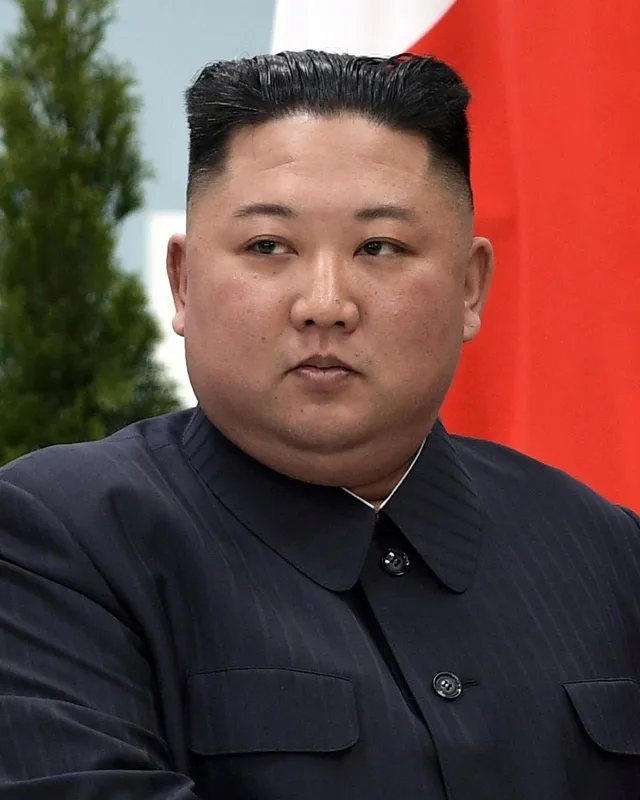
Portrait: Kremlin.ru, via Wikimedia Commons (opens in a new tab) · Creative Commons Attribution 4.0
Kim Jong-un
- Country
- North Korea
- Era
- b. 1984
- Tradition
- Hereditary totalitarian rule, Juche
Third-generation supreme leader of North Korea, governing a one-family state with no elections, no independent press and a network of political prison camps, while expanding the nuclear weapons programme.
01
Documented positions
Documented positions come from the sources listed. Similarity is this project’s inference from those positions, and is a much weaker claim.
- "Byungjin": simultaneous development of nuclear weapons and the economy, later prioritising the former
- Hereditary succession as the constitutional basis of leadership
- Tolerated semi-private markets (jangmadang) while retaining formal state ownership
- Constitutional entrenchment of nuclear weapons status in 2023
- Continued operation of political prison camps documented by the United Nations
02
Where it sits on each dimension
Wealth and inequality
22
RedistributionMarket outcomes
Evidence: Documented
The state in the economy
6
Active stateLimited state
Evidence: Well documented
Personal liberty
1
Collective orderIndividual freedom
Evidence: Well documented
Nation and the world
96
InternationalistNationalist
Evidence: Well documented
Religion and the state
6
Secular stateReligion in public life
Evidence: Documented
Power and its limits
1
Concentrated authorityChecks and pluralism
Evidence: Well documented
Crime and punishment
3
PunishmentRehabilitation
Evidence: Well documented
Dimensions left unscored, for want of evidence: Environment and growth, Tradition and change
Sources
- Report of the Commission of Inquiry on Human Rights in the DPRK · United Nations Human Rights Council · 2014
- Constitutional amendment on nuclear weapons status · Supreme People’s Assembly, DPRK · 2023
Last verified: