Thinkers and political figures
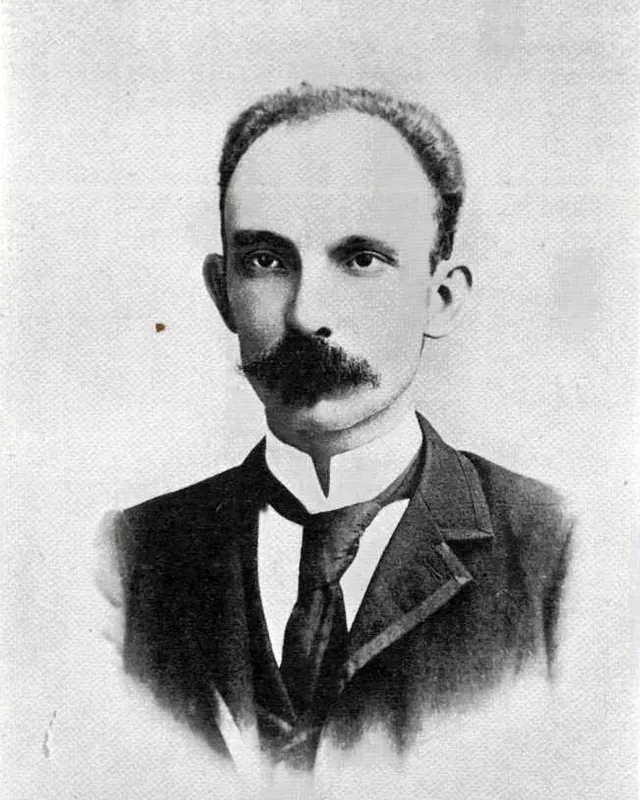
José Martí
- Country
- Cuba
- Era
- 1853–1895
- Tradition
- Republican nationalism, Latin Americanism
Poet and organiser of the Cuban war of independence, who insisted the republic must be racially equal and warned against exchanging Spanish rule for American dominance — invoked since by every faction of Cuban politics.
01
Documented positions
Documented positions come from the sources listed. Similarity is this project’s inference from those positions, and is a much weaker claim.
- Organised the Cuban Revolutionary Party in exile and launched the 1895 war of independence
- Insisted that the Cuban republic be founded on racial equality, rejecting any distinction between Black and white Cubans
- Warned explicitly against United States annexation, arguing Cuba must not exchange one master for another
- Argued for civilian control over the military leadership of the independence struggle
- Advocated Latin American unity and an authentically American rather than imported European political culture
- Called for land distribution to smallholders and education as the basis of a free republic
02
Where it sits on each dimension
Personal liberty
78
Collective orderIndividual freedom
Evidence: Well documented
Tradition and change
88
ContinuityReform
Evidence: Well documented
Nation and the world
78
InternationalistNationalist
Evidence: Well documented
Power and its limits
82
Concentrated authorityChecks and pluralism
Evidence: Well documented
Dimensions left unscored, for want of evidence: Wealth and inequality, The state in the economy, Religion and the state, Environment and growth, Crime and punishment
Sources
- José Martí, Nuestra América · 1891
- José Martí and Máximo Gómez, Manifesto of Montecristi · 1895
Last verified: