Thinkers and political figures
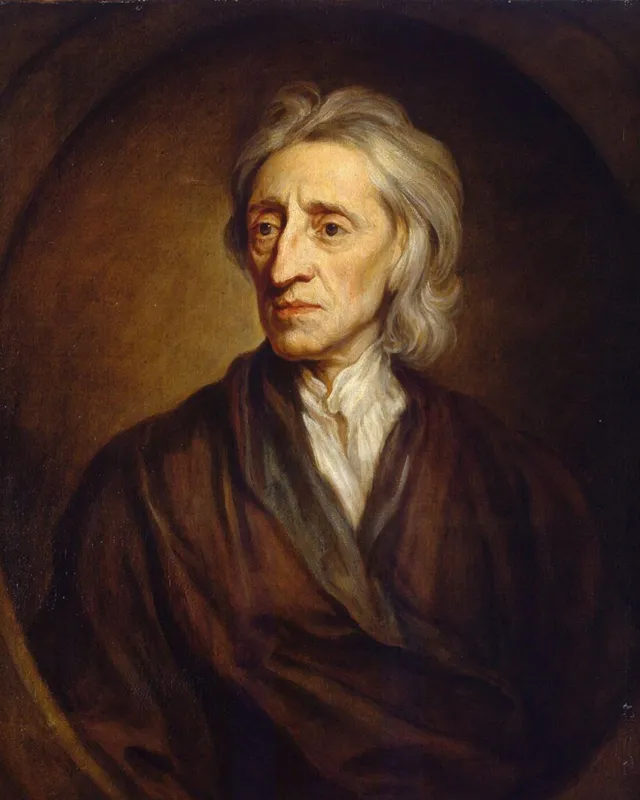
Portrait: Godfrey Kneller, via Wikimedia Commons (opens in a new tab) · Public domain
John Locke
- Country
- England
- Era
- 1632–1704
- Tradition
- Classical liberalism
Argued that government derives its authority from the consent of the governed and exists to protect life, liberty and property — and that a government which violates that trust may rightly be resisted.
01
Documented positions
Documented positions come from the sources listed. Similarity is this project’s inference from those positions, and is a much weaker claim.
- Political authority rests on the consent of the governed (Second Treatise, ch. VIII)
- Individuals hold natural rights to life, liberty and property prior to government
- Argued for religious toleration between Christian denominations, while excluding atheists and, in his time, Catholics
- Defended a right of resistance against a government that breaches its trust
02
Where it sits on each dimension
Wealth and inequality
80
RedistributionMarket outcomes
Evidence: Well documented
The state in the economy
82
Active stateLimited state
Evidence: Well documented
Personal liberty
78
Collective orderIndividual freedom
Evidence: Well documented
Religion and the state
40
Secular stateReligion in public life
Evidence: Documented
Power and its limits
78
Concentrated authorityChecks and pluralism
Evidence: Well documented
Crime and punishment
40
PunishmentRehabilitation
Evidence: Thinly documented
Dimensions left unscored, for want of evidence: Environment and growth, Tradition and change, Nation and the world
Sources
- John Locke, Two Treatises of Government · 1689
- John Locke, A Letter Concerning Toleration · 1689
Last verified: