Thinkers and political figures
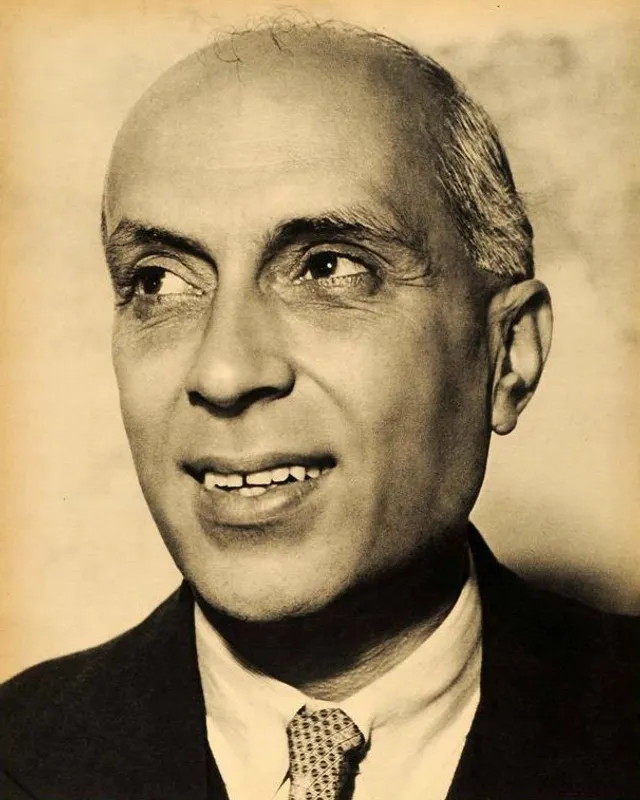
Portrait: Via Wikimedia Commons (opens in a new tab) · Public domain
Jawaharlal Nehru
- Country
- India
- Era
- 1889–1964
- Tradition
- Democratic socialism, secular nationalism
India’s first Prime Minister, who combined parliamentary democracy and civil liberties with state-led industrial planning, official secularism and non-alignment in foreign policy.
01
Documented positions
Documented positions come from the sources listed. Similarity is this project’s inference from those positions, and is a much weaker claim.
- State-led industrialisation through five-year plans and public-sector heavy industry
- Constitutional secularism: no state religion, equal treatment of all faiths
- Non-alignment between the Cold War blocs, and a founding role in the Non-Aligned Movement
- Sustained commitment to parliamentary democracy, elections and a free press
- Supported the Hindu Code Bills reforming family law
02
Where it sits on each dimension
Wealth and inequality
22
RedistributionMarket outcomes
Evidence: Well documented
The state in the economy
20
Active stateLimited state
Evidence: Well documented
Personal liberty
74
Collective orderIndividual freedom
Evidence: Documented
Tradition and change
78
ContinuityReform
Evidence: Well documented
Nation and the world
34
InternationalistNationalist
Evidence: Well documented
Religion and the state
12
Secular stateReligion in public life
Evidence: Well documented
Power and its limits
84
Concentrated authorityChecks and pluralism
Evidence: Well documented
Dimensions left unscored, for want of evidence: Environment and growth, Crime and punishment
Sources
- Jawaharlal Nehru, The Discovery of India · 1946
- Second Five Year Plan · Planning Commission, Government of India · 1956
Last verified: