Thinkers and political figures
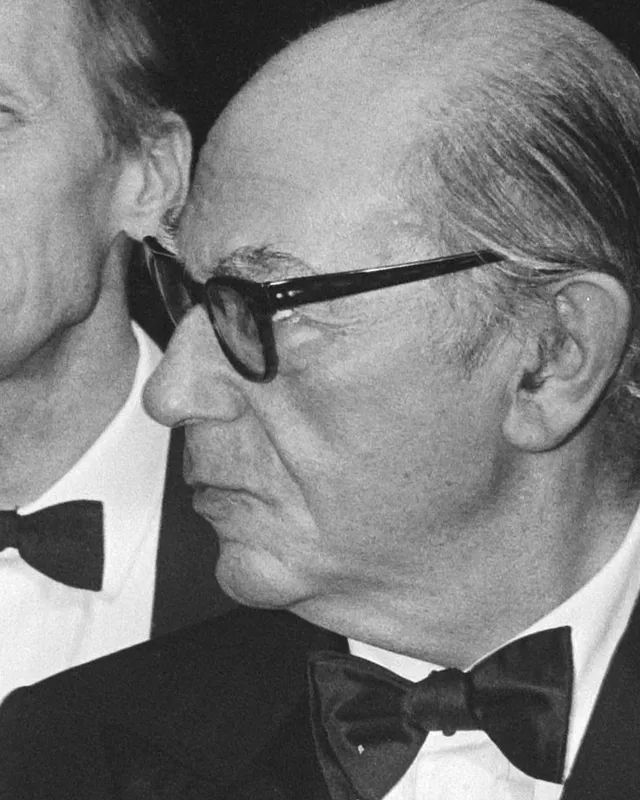
Portrait: Photograph, 1983, via Wikimedia Commons (opens in a new tab) · CC0
Isaiah Berlin
- Country
- United Kingdom
- Era
- 1909–1997
- Tradition
- Value pluralism
Historian of ideas who distinguished freedom *from* interference from freedom *to* realise oneself, and argued that genuine human goods conflict irreducibly — so no political arrangement can deliver all of them.
01
Documented positions
Documented positions come from the sources listed. Similarity is this project’s inference from those positions, and is a much weaker claim.
- Distinguished negative liberty — absence of interference — from positive liberty, and warned the latter can justify coercion "for your own good"
- Argued that ultimate human values genuinely conflict and cannot all be realised together in one life or one society
- Rejected the idea that history moves towards a single rational end state
- Defended a liberalism of trade-offs and compromise rather than one built on a single overriding principle
- Supported a Jewish state while opposing nationalism that suppressed minorities
- Held that belief in a final harmony of all values had underwritten the century’s worst political violence
02
Where it sits on each dimension
Personal liberty
84
Collective orderIndividual freedom
Evidence: Well documented
Tradition and change
55
ContinuityReform
Evidence: Documented
Nation and the world
42
InternationalistNationalist
Evidence: Documented
Power and its limits
84
Concentrated authorityChecks and pluralism
Evidence: Well documented
Dimensions left unscored, for want of evidence: Wealth and inequality, The state in the economy, Religion and the state, Environment and growth, Crime and punishment
Sources
- Isaiah Berlin, Two Concepts of Liberty · 1958
- Isaiah Berlin, The Crooked Timber of Humanity · 1990
Last verified: