Thinkers and political figures
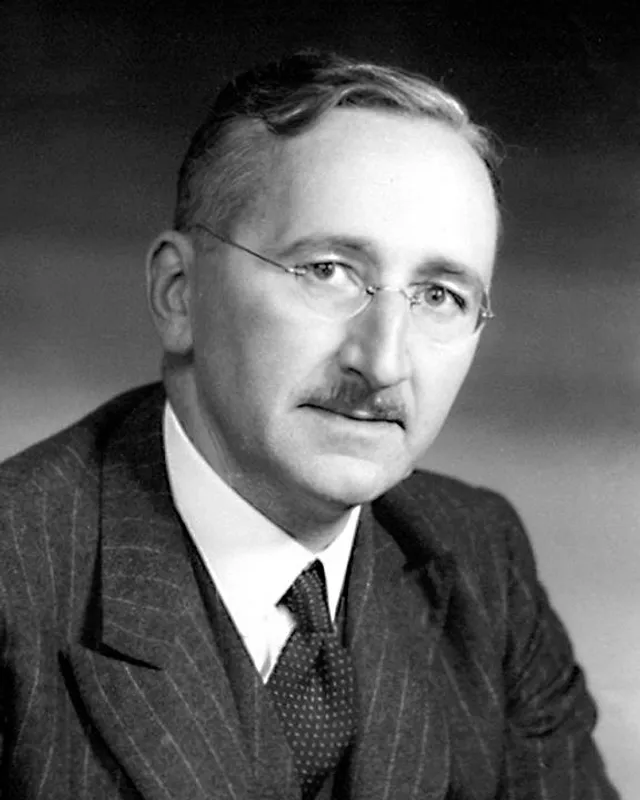
Portrait: Via Wikimedia Commons (opens in a new tab) · Creative Commons Attribution-ShareAlike 3.0
Friedrich Hayek
- Country
- Austria and the United Kingdom
- Era
- 1899–1992
- Tradition
- Classical liberalism
Argued that prices convey knowledge dispersed among millions of people that no central planner can gather — and, less often quoted, accepted a minimum income and social insurance.
01
Documented positions
Documented positions come from the sources listed. Similarity is this project’s inference from those positions, and is a much weaker claim.
- Knowledge relevant to economic decisions is dispersed and cannot be centralised (1945)
- Central planning tends to require coercion to sustain itself (The Road to Serfdom, 1944)
- Explicitly accepted a guaranteed minimum income and compulsory social insurance
- Distinguished his position from conservatism in "Why I Am Not a Conservative" (1960)
02
Where it sits on each dimension
Wealth and inequality
82
RedistributionMarket outcomes
Evidence: Well documented
The state in the economy
88
Active stateLimited state
Evidence: Well documented
Personal liberty
82
Collective orderIndividual freedom
Evidence: Well documented
Tradition and change
55
ContinuityReform
Evidence: Documented
Nation and the world
32
InternationalistNationalist
Evidence: Documented
Power and its limits
62
Concentrated authorityChecks and pluralism
Evidence: Documented
Dimensions left unscored, for want of evidence: Environment and growth, Crime and punishment, Religion and the state
Sources
- Friedrich Hayek, The Road to Serfdom · 1944
- Friedrich Hayek, The Use of Knowledge in Society · American Economic Review · 1945
- Friedrich Hayek, The Constitution of Liberty · 1960
Last verified: