Thinkers and political figures
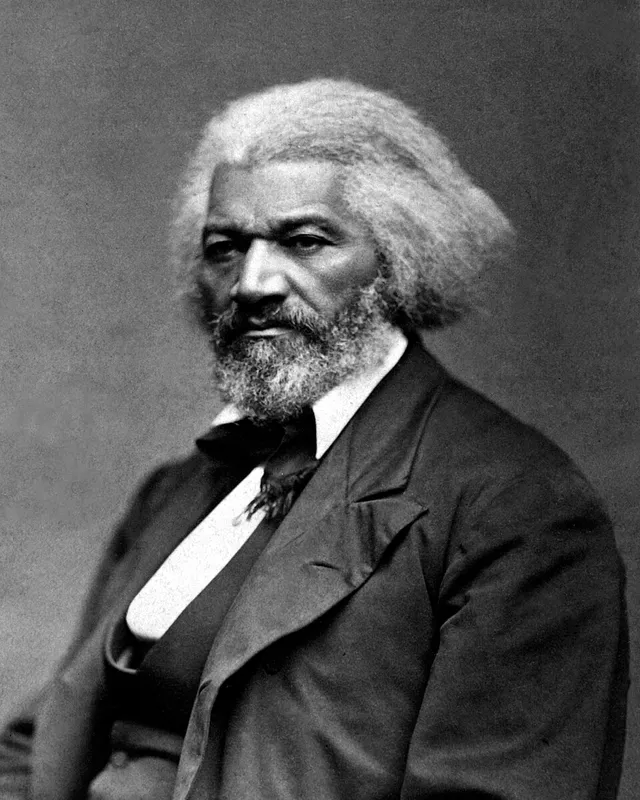
Portrait: Photograph, c. 1879, via Wikimedia Commons (opens in a new tab) · Public domain
Frederick Douglass
- Country
- United States
- Era
- 1818–1895
- Tradition
- Abolitionism, radical republicanism
Escaped from slavery to become the most formidable abolitionist orator in America, and argued — against other abolitionists — that the Constitution was an anti-slavery document that should be used rather than burned.
01
Documented positions
Documented positions come from the sources listed. Similarity is this project’s inference from those positions, and is a much weaker claim.
- Argued that the Constitution, properly read, was an anti-slavery document, breaking with Garrison who called it a covenant with death
- Demanded immediate and unconditional abolition rather than gradual emancipation or colonisation
- Recruited Black soldiers for the Union Army and pressed Lincoln for equal pay and treatment
- Campaigned for Black male suffrage and for federal enforcement of Reconstruction against terror in the South
- Supported women’s suffrage from Seneca Falls onward, while splitting with some suffragists over the priority of the Fifteenth Amendment
- Held that power concedes nothing without a demand, rejecting appeals to the conscience of slaveholders as sufficient
02
Where it sits on each dimension
Personal liberty
84
Collective orderIndividual freedom
Evidence: Well documented
Tradition and change
96
ContinuityReform
Evidence: Well documented
Nation and the world
40
InternationalistNationalist
Evidence: Documented
Religion and the state
45
Secular stateReligion in public life
Evidence: Documented
Power and its limits
88
Concentrated authorityChecks and pluralism
Evidence: Well documented
Dimensions left unscored, for want of evidence: Wealth and inequality, The state in the economy, Environment and growth, Crime and punishment
Sources
- Frederick Douglass, Narrative of the Life of Frederick Douglass, an American Slave · 1845
- Frederick Douglass, What to the Slave Is the Fourth of July? · 1852
Last verified: