Thinkers and political figures
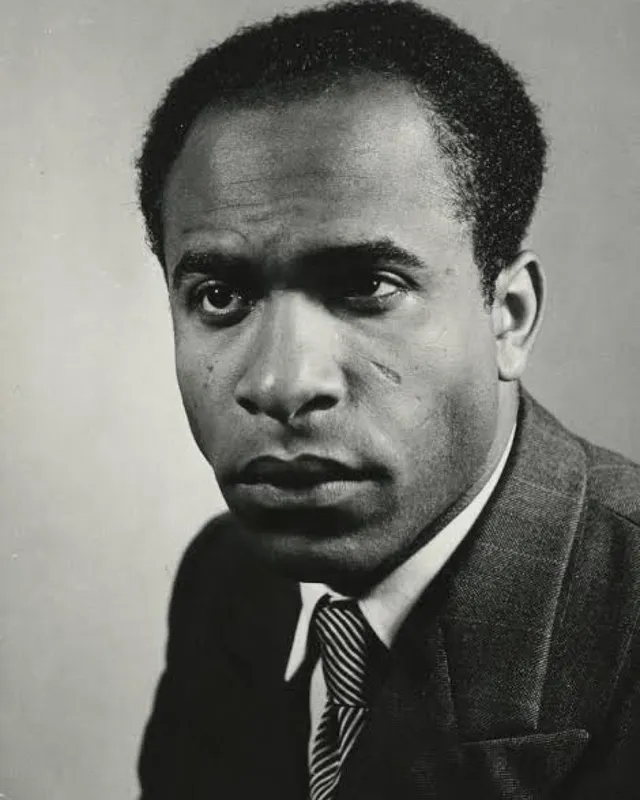
Portrait: Dust jacket photograph, 1967, via Wikimedia Commons (opens in a new tab) · Public domain
Frantz Fanon
- Country
- Martinique and Algeria
- Era
- 1925–1961
- Tradition
- Anti-colonial revolutionary thought
Psychiatrist from Martinique who joined the Algerian revolution and wrote the most influential analysis of what colonial rule does to the minds of both the colonised and the coloniser.
01
Documented positions
Documented positions come from the sources listed. Similarity is this project’s inference from those positions, and is a much weaker claim.
- Argued that colonialism inflicts psychological damage that political independence alone does not repair
- Held that colonial rule is founded on violence, and analysed anti-colonial violence as a response to it
- Warned that a national bourgeoisie would replace colonial rulers without changing the structure of exploitation
- Criticised nationalism that stopped at replacing white administrators with local ones
- Argued that genuine decolonisation requires the peasantry, not only the urban educated class
- Rejected assimilation into French culture as a solution to racial subordination
02
Where it sits on each dimension
Wealth and inequality
10
RedistributionMarket outcomes
Evidence: Documented
The state in the economy
18
Active stateLimited state
Evidence: Documented
Tradition and change
92
ContinuityReform
Evidence: Well documented
Nation and the world
62
InternationalistNationalist
Evidence: Well documented
Dimensions left unscored, for want of evidence: Personal liberty, Religion and the state, Power and its limits, Environment and growth, Crime and punishment
Sources
- Frantz Fanon, The Wretched of the Earth · 1961
- Frantz Fanon, Black Skin, White Masks · 1952
Last verified: