Thinkers and political figures
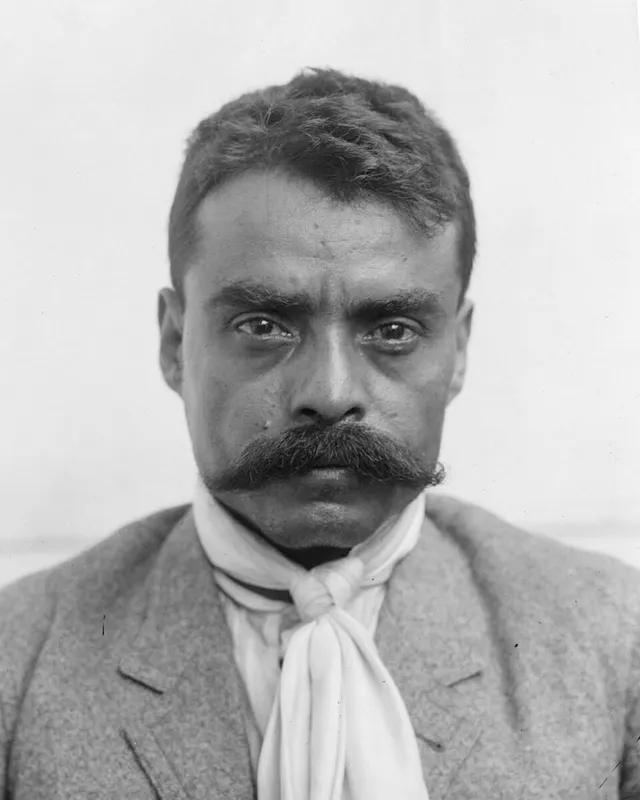
Portrait: Via Wikimedia Commons (opens in a new tab) · Public domain
Emiliano Zapata
- Country
- Mexico
- Era
- 1879–1919
- Tradition
- Agrarian revolutionary socialism
Led the peasant army of the Mexican Revolution under the demand for land and liberty, refusing to disarm until the villages got their land back.
01
Documented positions
Documented positions come from the sources listed. Similarity is this project’s inference from those positions, and is a much weaker claim.
- Plan de Ayala (1911): immediate restitution of village lands seized by large estates
- Expropriation of one third of large holdings, with compensation, and all of them where owners resisted
- "Tierra y Libertad" — land and liberty — as the movement’s organising demand
- Local, village-level self-government rather than central authority
- Refused to accept any settlement that postponed land redistribution
02
Where it sits on each dimension
Wealth and inequality
8
RedistributionMarket outcomes
Evidence: Well documented
The state in the economy
58
Active stateLimited state
Evidence: Documented
Tradition and change
78
ContinuityReform
Evidence: Documented
Power and its limits
66
Concentrated authorityChecks and pluralism
Evidence: Documented
Dimensions left unscored, for want of evidence: Environment and growth, Crime and punishment, Religion and the state, Nation and the world, Personal liberty
Sources
- Plan de Ayala · 1911
- John Womack Jr., Zapata and the Mexican Revolution · 1969
Last verified: