Thinkers and political figures
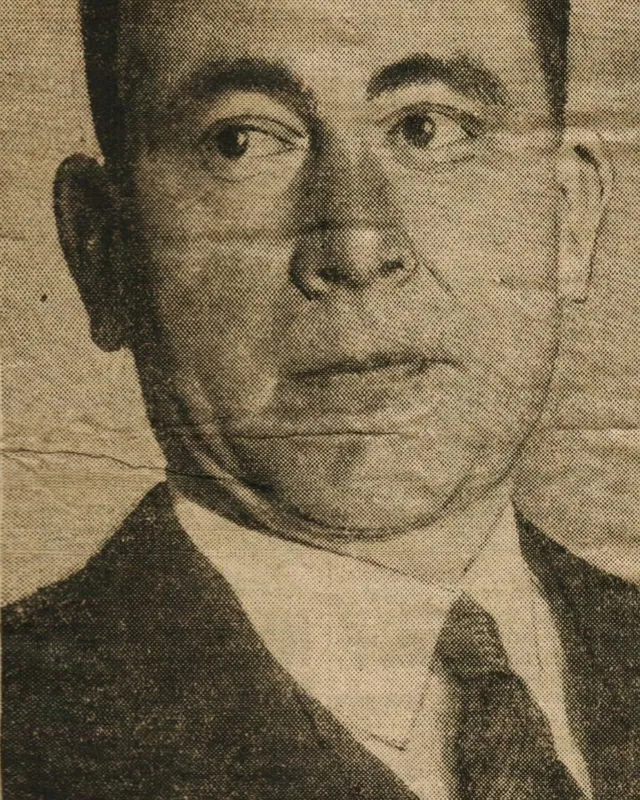
Portrait: Press photograph, 1929, via Wikimedia Commons (opens in a new tab) · Public domain
Carl Schmitt
- Country
- Germany
- Era
- 1888–1985
- Tradition
- Authoritarian constitutional theory
The most serious theorist of authoritarian government, who defined politics as the distinction between friend and enemy and argued that sovereignty lies with whoever can suspend the law. He joined the Nazi Party in 1933 and supplied legal arguments for its rule.
Documented positions
Documented positions come from the sources listed. Similarity is this project’s inference from those positions, and is a much weaker claim.
- Defined the political as the distinction between friend and enemy, prior to any question of morality or economics
- Held that "sovereign is he who decides on the exception" — the power to suspend law is the core of sovereignty
- Argued that liberal parliamentarism cannot decide, and dissolves into endless discussion during a crisis
- Held that democracy requires homogeneity of the people and is compatible with dictatorship but not with liberalism
- Joined the Nazi Party in 1933 and provided legal justification for the 1934 purge and for antisemitic legislation
- Never recanted after 1945 and was barred from academic posts for the rest of his life
Where it sits on each dimension
Personal liberty
Evidence: Well documented
Tradition and change
Evidence: Documented
Nation and the world
Evidence: Well documented
Religion and the state
Evidence: Documented
Power and its limits
Evidence: Well documented
Crime and punishment
Evidence: Documented
Dimensions left unscored, for want of evidence: Wealth and inequality, The state in the economy, Environment and growth
Sources
- Carl Schmitt, The Concept of the Political · 1932
- Carl Schmitt, Political Theology · 1922
- Reinhard Mehring, Carl Schmitt: A Biography · Polity · 2014
Last verified: