Thinkers and political figures
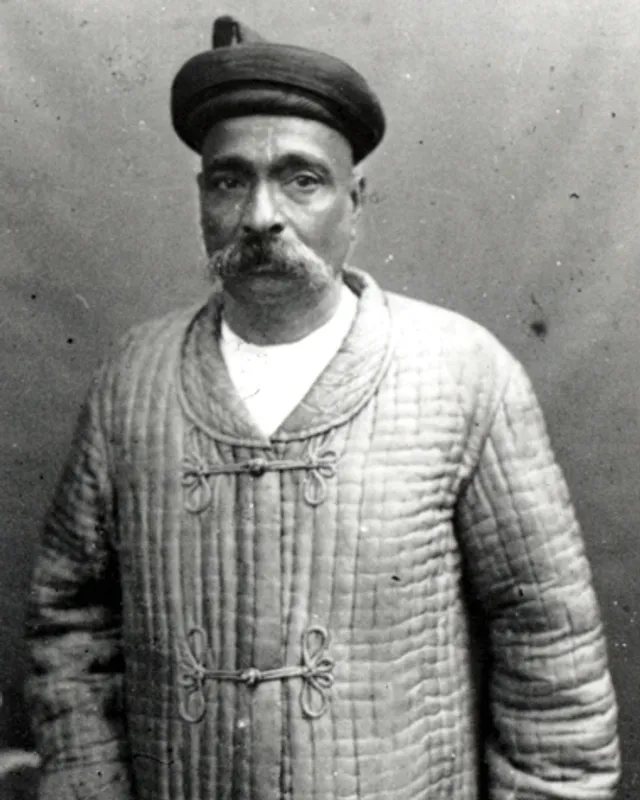
Portrait: Via Wikimedia Commons (opens in a new tab) · Public domain
Bal Gangadhar Tilak
- Country
- India
- Era
- 1856–1920
- Tradition
- Radical nationalism
The first mass leader of the Indian independence movement, who declared that self-rule was a birthright, and who built popular nationalism through public religious festivals.
01
Documented positions
Documented positions come from the sources listed. Similarity is this project’s inference from those positions, and is a much weaker claim.
- "Swaraj is my birthright, and I shall have it" — independence as an entitlement, not a concession
- Led the "extremist" wing of Congress against the moderates’ petitioning strategy
- Turned Ganesh and Shivaji festivals into vehicles for mass political organisation
- Advocated swadeshi: boycott of British goods and promotion of Indian manufacture
- Opposed the Age of Consent Bill of 1891 as colonial interference in Hindu custom
02
Where it sits on each dimension
Personal liberty
46
Collective orderIndividual freedom
Evidence: Documented
Tradition and change
26
ContinuityReform
Evidence: Well documented
Nation and the world
92
InternationalistNationalist
Evidence: Well documented
Religion and the state
74
Secular stateReligion in public life
Evidence: Well documented
Dimensions left unscored, for want of evidence: Wealth and inequality, The state in the economy, Environment and growth, Crime and punishment, Power and its limits
Sources
- Bal Gangadhar Tilak, Shrimad Bhagavad Gita Rahasya · 1915
- Stanley Wolpert, Tilak and Gokhale: Revolution and Reform in the Making of Modern India · 1962
Last verified: