Thinkers and political figures
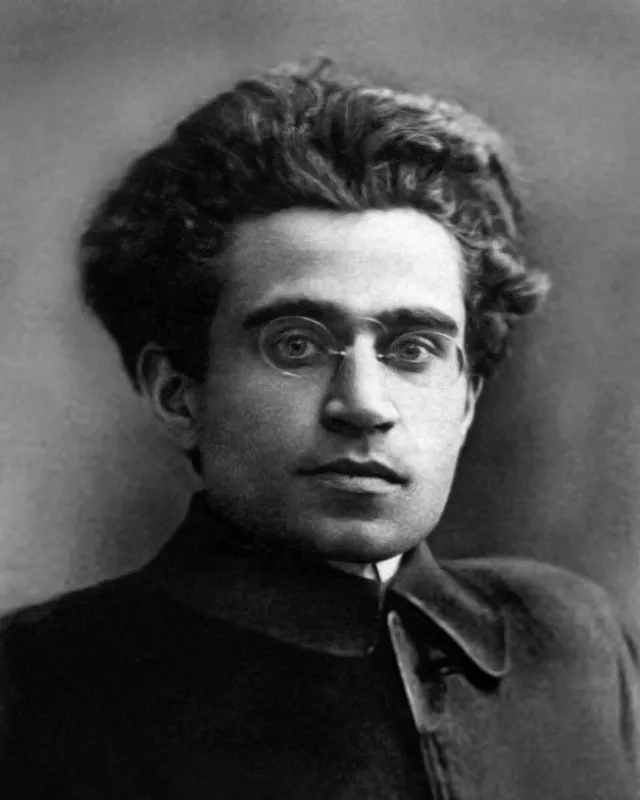
Portrait: Photograph, via Wikimedia Commons (opens in a new tab) · Public domain
Antonio Gramsci
- Country
- Italy
- Era
- 1891–1937
- Tradition
- Western Marxism
Italian communist who, writing from a fascist prison, argued that ruling classes hold power mainly through cultural consent rather than force — an idea that has since been adopted across the political spectrum.
01
Documented positions
Documented positions come from the sources listed. Similarity is this project’s inference from those positions, and is a much weaker claim.
- Argued that ruling groups maintain power through hegemony — consent manufactured in culture, schools and media — rather than mainly through coercion
- Held that the left must win a "war of position" in civil society before it can win state power
- Rejected the view that economic conditions alone determine political outcomes
- Supported the factory council movement in Turin as a model of workers running production directly
- Argued that every social group produces its own intellectuals, and that ordinary people already engage in philosophy
- Opposed fascism from its beginning and was imprisoned by Mussolini’s government until shortly before his death
02
Where it sits on each dimension
Wealth and inequality
8
RedistributionMarket outcomes
Evidence: Well documented
The state in the economy
10
Active stateLimited state
Evidence: Well documented
Personal liberty
55
Collective orderIndividual freedom
Evidence: Documented
Tradition and change
84
ContinuityReform
Evidence: Well documented
Nation and the world
30
InternationalistNationalist
Evidence: Documented
Religion and the state
14
Secular stateReligion in public life
Evidence: Documented
Power and its limits
40
Concentrated authorityChecks and pluralism
Evidence: Documented
Dimensions left unscored, for want of evidence: Environment and growth, Crime and punishment
Sources
- Antonio Gramsci, Selections from the Prison Notebooks · 1971
- Giuseppe Fiori, Antonio Gramsci: Life of a Revolutionary · Verso · 1970
Last verified: