Thinkers and political figures
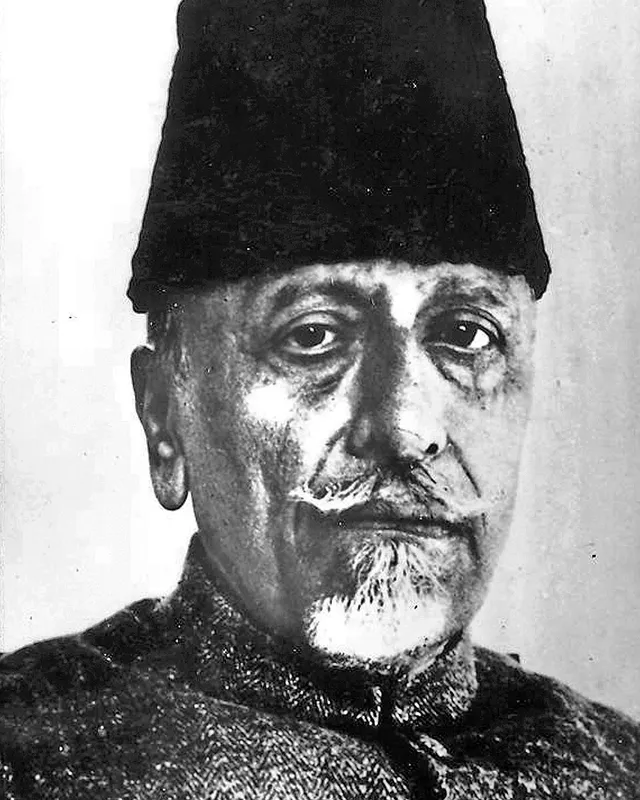
Portrait: Photograph, via Wikimedia Commons (opens in a new tab) · Creative Commons Attribution-ShareAlike 3.0
Abul Kalam Azad
- Country
- India
- Era
- 1888–1958
- Tradition
- Composite nationalism, Islamic modernism
Islamic scholar and Congress president who argued from within Islamic theology that Indian Muslims belonged in a united India, and who opposed partition to the end as the greatest disaster for the people it claimed to serve.
Documented positions
Documented positions come from the sources listed. Similarity is this project’s inference from those positions, and is a much weaker claim.
- Argued on theological grounds that Islam permits Muslims to live as equal citizens in a religiously plural state
- Opposed the partition of India, predicting it would leave Muslims weaker and divided across three regions
- Served as Congress president through the Quit India movement and the negotiations preceding independence
- As education minister, established the university grants system, the IITs and national academies of art and letters
- Advocated free and compulsory primary education and state investment in scientific research
- Rejected the two-nation theory as a betrayal of both Indian nationalism and Islamic universalism
Where it sits on each dimension
The state in the economy
Evidence: Documented
Personal liberty
Evidence: Documented
Tradition and change
Evidence: Documented
Nation and the world
Evidence: Well documented
Religion and the state
Evidence: Well documented
Power and its limits
Evidence: Well documented
Dimensions left unscored, for want of evidence: Wealth and inequality, Environment and growth, Crime and punishment
Sources
- Abul Kalam Azad, India Wins Freedom · 1959
- Ian Henderson Douglas, Abul Kalam Azad: An Intellectual and Religious Biography · Oxford University Press · 1988
Last verified: