Thinkers and political figures
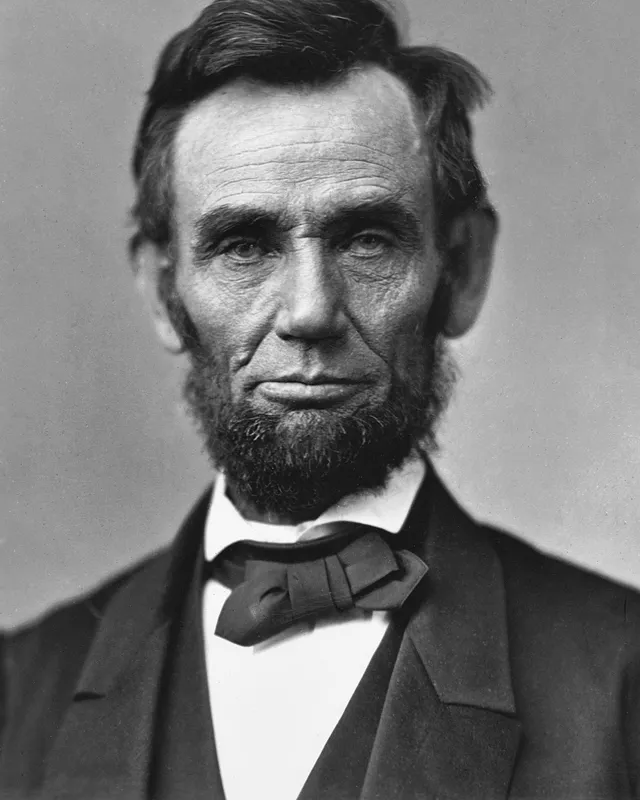
Portrait: Alexander Gardner, 1863, via Wikimedia Commons (opens in a new tab) · Public domain
Abraham Lincoln
- Country
- United States
- Era
- 1809–1865
- Tradition
- Liberal republicanism
President during the American Civil War, who held the union together by force and turned the war into a war against slavery, issuing the Emancipation Proclamation and securing the Thirteenth Amendment.
01
Documented positions
Documented positions come from the sources listed. Similarity is this project’s inference from those positions, and is a much weaker claim.
- Opposed the extension of slavery into the territories from the outset of his national career
- Emancipation Proclamation (1863), freeing enslaved people in the rebelling states
- Secured passage of the Thirteenth Amendment abolishing slavery
- Suspended habeas corpus during the war, an emergency power still debated
- Supported protective tariffs, national banking and federally funded railways
02
Where it sits on each dimension
Wealth and inequality
58
RedistributionMarket outcomes
Evidence: Documented
The state in the economy
48
Active stateLimited state
Evidence: Documented
Personal liberty
52
Collective orderIndividual freedom
Evidence: Documented
Tradition and change
78
ContinuityReform
Evidence: Well documented
Nation and the world
72
InternationalistNationalist
Evidence: Well documented
Power and its limits
62
Concentrated authorityChecks and pluralism
Evidence: Documented
Dimensions left unscored, for want of evidence: Environment and growth, Crime and punishment, Religion and the state
Sources
- Emancipation Proclamation · 1863
- Gettysburg Address · 1863
- Eric Foner, The Fiery Trial: Abraham Lincoln and American Slavery · 2010
Last verified: